Top 5 Signs Your Child Needs a Science Tutor—And How to Choose the Right One for Physics, Chemistry, or Biology
Science is one of the most important subjects in school, but it's also one of the most challenging for many students. Physics, chemistry, and biology each have unique concepts that require strong understanding, logical thinking, and consistent practice. Sometimes, students struggle despite their best efforts. In such cases, science tuition can make a big difference.
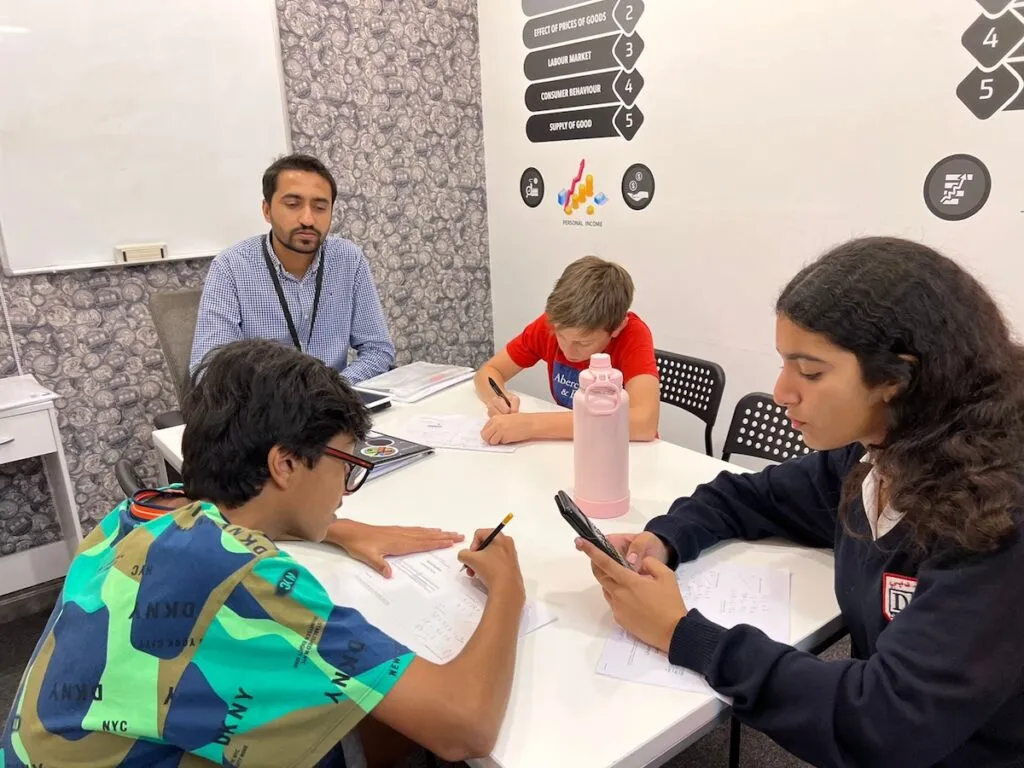
If you’re wondering whether your child might benefit from extra help, here are the top 5 signs to watch for—and tips on how to choose the right physics tutor, chemistry tutor, or biology tutor.
1. Declining Grades in Science Subjects
A sudden drop in science marks is one of the clearest signs your child may need a tutor. Even if they excel in other subjects, science often demands a different approach. Concepts in physics may require strong math skills, chemistry needs understanding of formulas and reactions, and biology involves remembering complex systems and processes. If test scores and assignments start to slip, it might be time to consider science tuition.
2. Lack of Interest or Confidence in Science
If your child used to enjoy science but now seems frustrated or uninterested, it could mean they’re struggling. Students often lose confidence when they can't grasp certain topics. For example, physics can feel overwhelming with formulas and problem-solving. Chemistry might seem like a foreign language with its periodic table and reactions. A dedicated physics tutor or chemistry tutor can break down complex topics and rebuild their confidence step by step.
3. Difficulty Understanding Homework or Class Lessons
Does your child often ask for help with their science homework or complain that they don’t understand what was taught in class? If yes, they may not be keeping up with the pace of the school curriculum. Biology can involve memorizing a lot of information, while chemistry and physics build on previously learned topics. Falling behind in one area can affect understanding in others. Regular science tuition provides personalized attention and helps clarify doubts in a focused manner.
4. Avoidance of Science Projects or Exams
Some students show their struggle by avoiding science-related tasks altogether. If your child delays working on science projects or becomes anxious before exams, it could be a sign they’re overwhelmed. This is especially common when students don’t know where to begin studying. A subject-specific tutor, whether a biology tutor, chemistry tutor, or physics tutor, can help develop a study plan, prepare for exams, and practice difficult concepts in a stress-free environment.
5. Teacher Feedback Suggesting Extra Support
Often, teachers are the first to notice when a student needs additional help. If your child’s science teacher has mentioned that your child is falling behind or could benefit from extra support, it’s a good idea to take that seriously. Teachers understand the academic expectations and may even recommend seeking science tuition to support your child’s learning outside the classroom.
How to Choose the Right Science Tutor
Finding the right tutor is just as important as recognizing the need for one. Here’s what to consider when looking for a science tutor:
Identify the Subject
First, figure out whether your child needs help in one subject or more. If they’re struggling with mechanics and calculations, a physics tutor would be ideal. If they’re confused about chemical equations or reactions, a chemistry tutor will be more helpful. And for support with biological processes or anatomy, go with a biology tutor.
Check Qualifications and Experience
Look for a tutor with a strong background in science and experience teaching the specific subject your child needs help with. It’s even better if they’re familiar with the school syllabus or exam format your child is following.
Ask for a Trial Session
Before committing to long-term sessions, ask for a trial class. This allows your child to interact with the tutor and see if their teaching style is effective and comfortable.
Prioritize Communication and Patience
A good science tutor will not only explain concepts clearly but also be patient and encouraging. They should be approachable so your child feels confident asking questions, no matter how basic they may seem.
Look for Personalized Learning
The best tutors tailor their lessons to suit the student’s pace and learning style. Whether your child needs visual aids, step-by-step examples, or extra practice questions, a personalized approach leads to better understanding and results.
Conclusion: Help Your Child Succeed with the Right Support
Every child learns differently, and it’s okay to need extra help along the way. Recognizing the signs early and providing the right support through science tuition can boost your child’s confidence, improve grades, and even spark a renewed love for learning. Whether it’s a physics tutor to decode tricky formulas, a chemistry tutor to explain reactions, or a biology tutor to make memorization easier—choosing the right tutor can make all the difference in your child’s academic journey.


Comments
Post a Comment